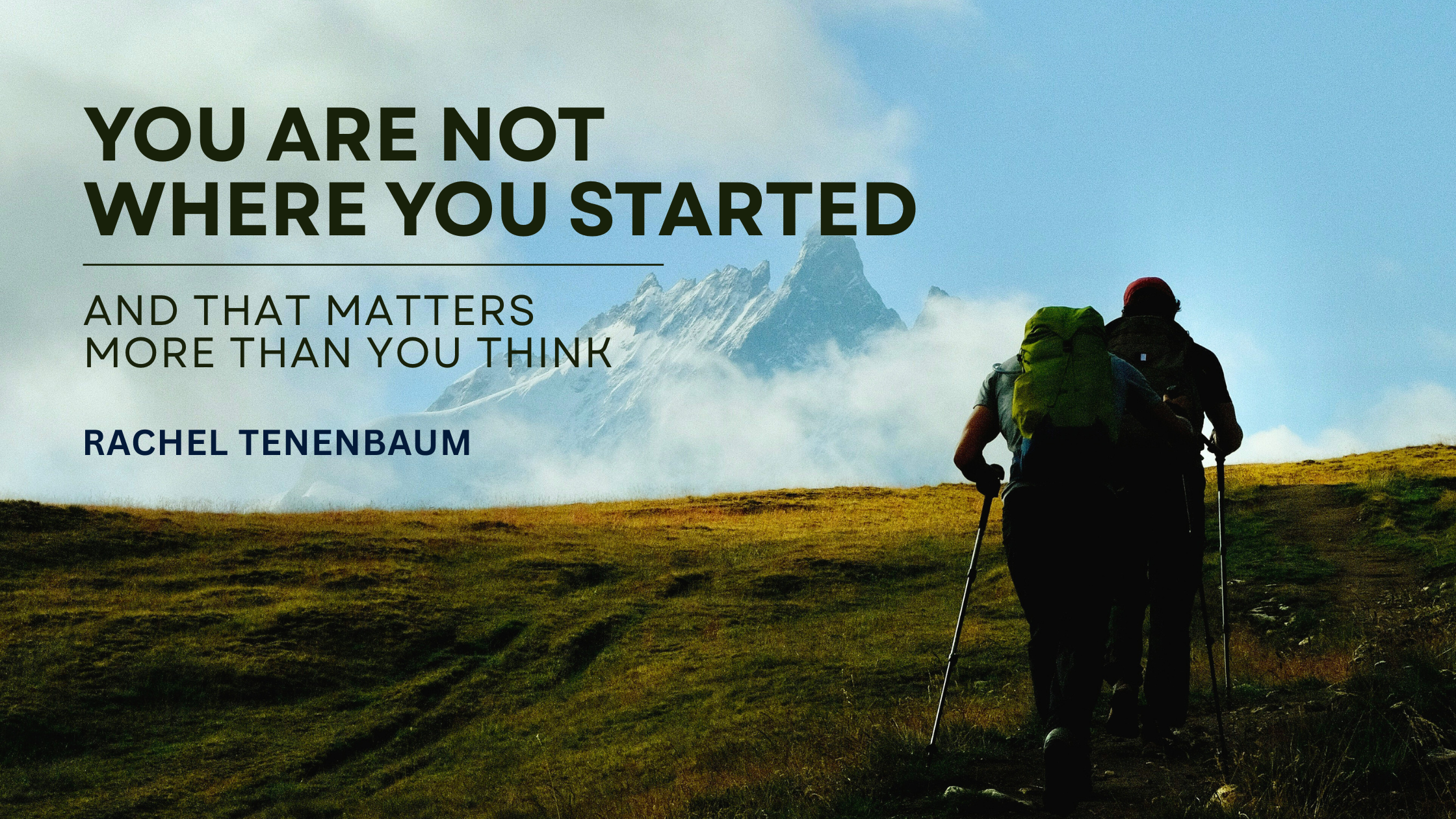
You’re not where you started.
There’s something our brains are remarkably good at.
Forgetting how far we’ve come.
We remember where we fell short.
We replay the moment we didn’t respond the way we wanted.
We notice how long it took to unhook instead of how quickly we recovered.
And in doing so, we miss something important.
Recently, I found myself in a tense interaction at a medical office.
Out of nowhere, the tone shifted.
I felt talked down to.
My body reacted – heat, defensiveness, that familiar surge.
I stayed in the conversation longer than I would have liked.
And afterward, my first instinct was critique:
Why didn’t you walk away sooner?
Why did you engage at all?
But then I paused and asked a different question:
How did I handle this better than I would have five years ago?
And the answer was clear.
I didn’t escalate.
I didn’t attack back.
I didn’t spiral for hours afterward.
I exited cleanly.
It wasn’t perfect.
But it was progress.
And that question changed everything.
“How was this better than before?”
That’s a radically different internal move.
Because shaming ourselves for not being evolved enough isn’t growth.
It’s aggression disguised as self-improvement.
It’s the same inner critic – just wearing a productivity costume.
Real growth is quieter.
It’s noticing that you recovered faster.
That you spoke up when you wouldn’t have.
That you paused when you once would have reacted.
That you left a situation you once would have tolerated.
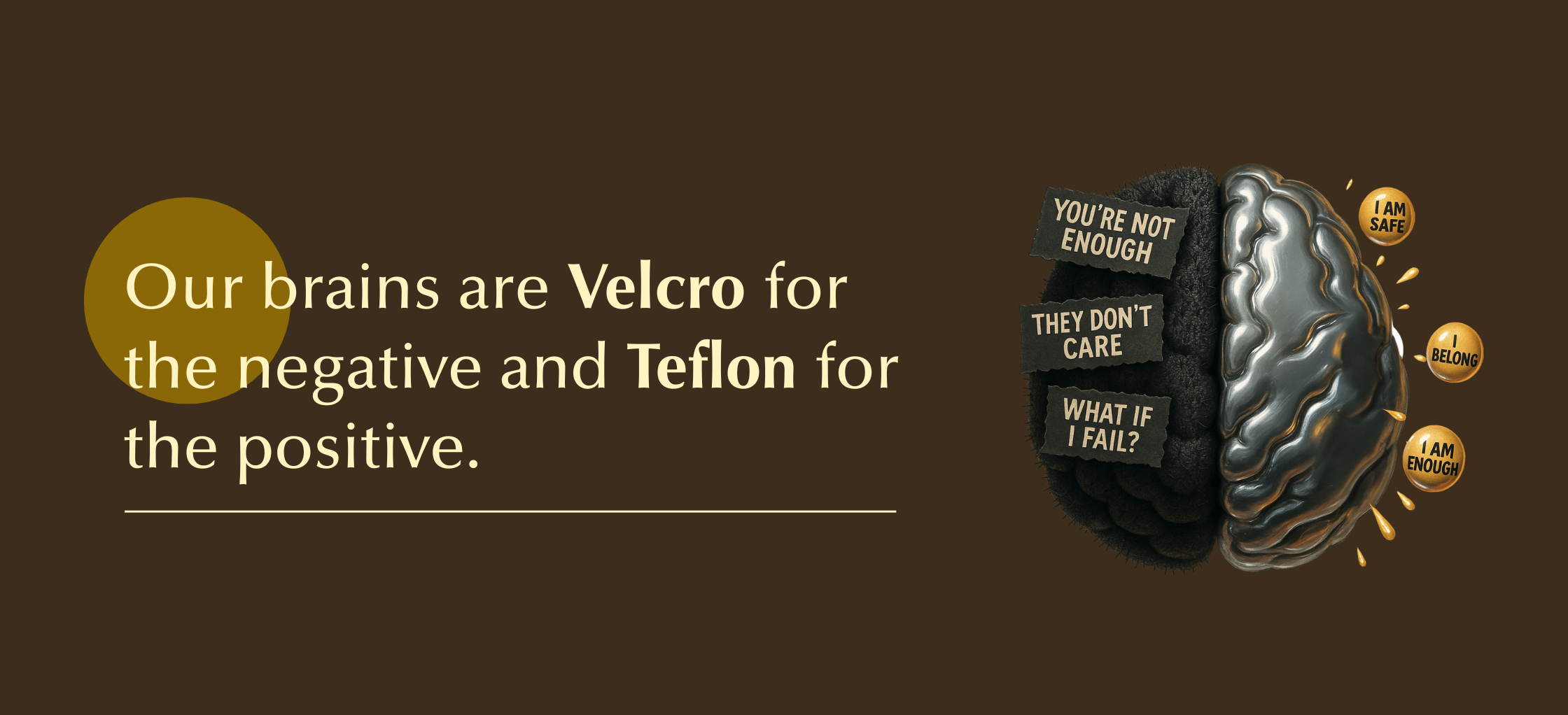
We replay what went wrong.
We skim past what went right.
And unless we deliberately interrupt that pattern, we will always feel behind.
I see this constantly with clients.
Three to six months into meaningful work, there’s often a moment of amnesia.
A moment where they’re hard on themselves.
Frustrated they didn’t navigate something as well as they think they “should have.”
Then we look back.
At how reactive they once were.
At how unclear things felt.
At the tension they carried daily.
At what was guiding their choices then – versus now.
And when they see the contrast, they’re often stunned.
Not because they’re perfect.
But because they’re undeniably different.
That’s the work.
Not becoming flawless.
But becoming more aware.
More regulated.
More intentional than you were before.
One of the most powerful practices I know is simple:
After a hard moment, ask:
How did I do this differently than I would have in the past?
Capture the answer.
Train your brain to see growth.
Because when you can see how far you’ve come, you generate energy.
And energy sustains change far better than shame ever will.
You are not where you started.
And that matters more than you think.